

This surplus can then be utilized to cover administrative costs or invest in other initiatives that align with the organization’s mission. Case studies are an invaluable tool for understanding and analyzing successful management of unrestricted net assets. By examining real-world examples, we can gain insights into the strategies, practices, and decisions that have led to fiscal sustainability in various organizations.
- For all NFPs, the presentation of expenses by both function and nature must be contained in a single location.
- In the following sections, we will explore the various categories of net assets and their implications for nonprofit management.
- Net assets with time or purpose restrictions could be segregated from those held in perpetuity (such as an endowment) if this is beneficial to the users of the financial statements.
- This includes cash, investments, real estate, and other valuable possessions that you own outright.
- If your organization is efficiently and effectively balancing its resources, it will most likely maximize how it furthers its mission and would generally be considered a healthy nonprofit.
Total Net Assets = Unrestricted Net Assets + (Temporarily Restricted Net Assets + Permanently Restricted Net Assets)
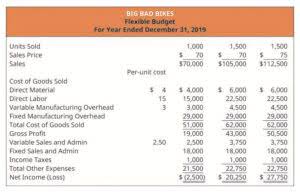
Understanding the differences between unrestricted and restricted net assets is essential for nonprofit leaders and stakeholders to effectively manage their financial resources and fulfill their mission. Having unrestricted net assets plays a key role in showcasing the financial stability and liquidity of nonprofit organizations. For instance, on a balance sheet, unrestricted net assets are listed separately to distinguish them from temporarily or permanently restricted funds. This delineation helps stakeholders, such as donors and grantors, understand the organization’s financial position and how effectively it manages its resources. This is the least liquid of unrestricted net assets and is not required.• Net assets with donor restrictions can be time, purpose, or permanently restricted (i.e., endowment).
Challenges and Risks Associated with Unrestricted Net Assets

This lack of flexibility can hinder an organization’s ability to adapt quickly to changing market conditions or seize opportunities for payroll growth. Without sufficient reserves, companies may struggle to weather economic downturns or invest in new initiatives to drive innovation and competitiveness. Limited flexibility in financial strategy can also impact an organization’s ability to attract potential investors or secure financing for strategic projects.
Are non-profits required to track interest earned on restricted funds separately, and how is it accounted for?
For example, a contribution made to an annual fund drive for general operating support is immediately booked as WDR. The board can decide whether to allocate that cash toward rent, salaries, or a new unrestricted net assets marketing campaign. Now that you know the concept, look at your organization’s balance sheet again with fresh eyes. Keep in mind that, unfortunately, net assets is often not broken out properly in internally generated balance sheets. Even if it is, you may still need to ask questions to understand the nature of any restricted assets. Fund accounting is one of the popular accounting methods used by not-for-profit organizations for recording and reporting financial transactions.
- When it comes to financial planning, organizations must carefully consider the role of unrestricted net assets.
- The governing board of the organization maintains full discretion over the employment of these funds for any purpose consistent with the NFP’s mission.
- Grants receivable means grant funding that has been committed to the organization but not received.
- I don’t understand why we can’t pay the bills,” exclaimed Todd, a member of the board of directors, as he looked at the balance sheet.
- This statement must present the change in total net assets, along with the changes occurring within each of the three net asset classes.
- Research time may be needed to properly allocate items such as employee time between program and supporting activities.
Understanding the composition and trends of unrestricted net assets helps in evaluating the entity’s long-term sustainability and growth prospects. Effective management and utilization of unrestricted assets play a crucial role in ensuring transparency, accountability, and overall financial health. Fluctuations in unrestricted net assets can provide insights into an organization’s financial stability and its ability to fulfill its financial obligations. Monitoring these assets enables stakeholders to assess the flexibility and resilience of an organization’s financial position, aiding in strategic decision-making and risk management. This lack of financial stability can also limit the organization’s capacity to seize opportunities for growth and expansion.
Maintaining Operational Efficiency
Instead, the difference between what the organization owns and owes is referred to as net assets. These assets represent the organization’s financial resources that can be used to support its mission and programs. Unrestricted net assets can originate from various sources within a nonprofit’s financial ecosystem. Some common sources include unrestricted donations from individuals or corporations, revenue generated through fundraising events or merchandise sales, investment income, or surplus funds carried over from previous fiscal years. Diversifying the sources of unrestricted net assets is essential for reducing reliance on any single funding stream and maintaining financial stability. This not only ensures compliance with financial regulations but also strengthens the trust and confidence of donors, stakeholders, and the communities they serve.
Organizations should take advantage of the opportunity to communicate their stories and decision-making processes in this area of the disclosures. Besides, Unrestricted Net Asset is your net income for the first date of the new fiscal year in QuickBooks. The net income from the date before gets closed to Retained Earnings which is often renamed to Unrestricted Net Assets. Internal controls are processes put in place to assure the integrity of financial reporting, safeguard assets, and facilitate adherence to laws and regulations.

Importance of Unrestricted Net Assets in Financial Reporting
- Unrestricted net assets play a crucial role in ensuring fiscal sustainability and providing organizations with the flexibility to navigate uncertain economic times.
- In other words, they provide flexibility and autonomy in decision-making, allowing organizations to allocate resources where they are most needed.
- Management should have a realistic forecast of revenues, expenses, and capital expenditures.
- Our team is dedicated to empowering nonprofits in fulfilling their missions and achieving their strategic goals.
- From a financial perspective, unrestricted net assets can be seen as the lifeblood of an NGO, providing the necessary resources to support ongoing operations, invest in new initiatives, and weather unforeseen challenges.
- Lastly, when your nonprofit makes information about its net assets publicly available by sharing its financial statements and tax returns, it builds trust with donors and stakeholders that can lead to increased support.
This release mechanism moves the dollar value from the WDRestricted category into the WDR category on the Statement of Activities. The movement represents the non-profit’s successful execution Bookkeeping for Consultants of the donor’s intent, converting the temporary restriction into permanent financial flexibility. Navigating the complexities of these different types of assets is crucial for maintaining operational flexibility and sustainability in the ever-changing landscape of nonprofit operations.
Inspire Strategic Gifts
Unrestricted net assets refer to the funds that are not subject to any donor-imposed restrictions and can be used by the organization for any purpose deemed necessary. Unrestricted net assets are essentially the financial resources that are not restricted by donors or other external parties, allowing NGOs to allocate funds according to their own priorities and needs. However, building and growing unrestricted net assets can be a challenging task for many organizations, especially those heavily reliant on project-based funding or limited revenue streams. Managing unrestricted and restricted net assets is a crucial aspect of financial management for nonprofit organizations. Nonprofits often receive funds from various sources, including grants, donations, and program fees.

If you have any permanently restricted net assets, subtract the corresponding investment balances first. If you have assets that exist due to receipts from temporarily restricted net assets campaigns (ex. money raised for a capital campaign), then subtract those next. These assets are typically unrestricted, but don’t contribute to your Readily Available Net Assets. If the money for your receivables isn’t going to be used for everyday operating costs, then subtract it from this number.
